

Developing CPP®’s All-Plastic IBC Vent
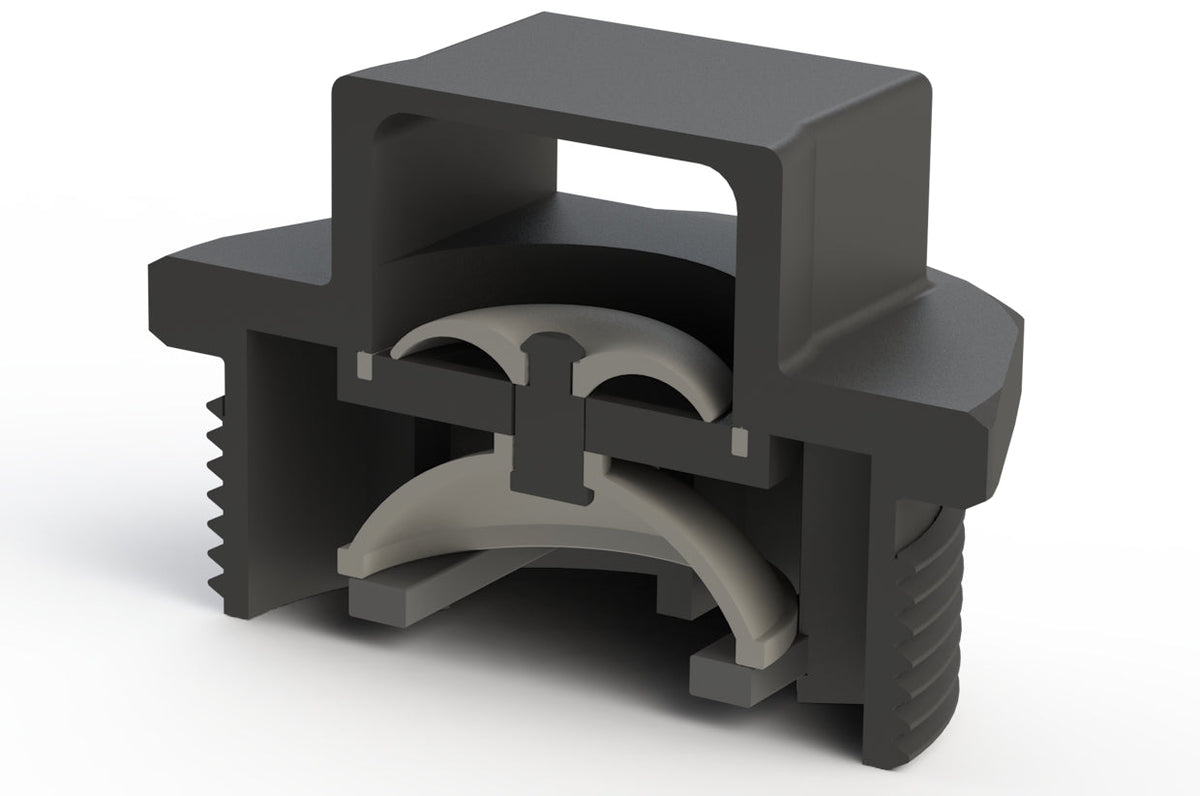
IBC venting becomes most noticeable when it is wrong. During discharge, air has to replace the liquid leaving the container. If the vent cannot admit enough air, the bottle can pull inward under vacuum. During filling, storage and temperature change, controlled pressure relief can also be important.
Why develop an all-plastic vent?
Traditional vents can use metal springs and mixed-material internals. For some chemical applications, reducing the number of materials in contact with the vapour space can simplify compatibility decisions. CPP® therefore began developing pressure and vacuum vent concepts using polymer bodies and elastomer sealing elements.
Vacuum relief is a key part of the design
The aim is to open early enough to protect the IBC from excessive negative pressure while still sealing reliably when closed. Development work has included low vacuum crack pressures and larger internal flow paths so the valve moves beyond a small initial opening and can admit useful airflow.
Bench development results
CPP® development testing has included prototypes cracking at approximately 0.35 psi vacuum and around 2 psi positive pressure, with approximately 400 mm² combined pass area. These figures describe development testing, not a universal specification for every CPP® vent.
Current venting and higher-flow development
CPP® already supplies IBC pressure and vacuum venting products, but different products are intended for different airflow duties. A lower-flow vent may be suitable for gradual discharge but not rapid continuous emptying of a full 1,000-litre IBC. Higher-flow vent development is intended to address faster transfer rates.
The IBC still sets the system limit
An IBC is not a pressure vessel. A vent or adaptor pressure figure does not authorise pressurising the bottle. Always work within the tank and valve manufacturer’s limits and select vent capacity for the actual filling or discharge rate.
View CPP® IBC vents and lids →
Need help with an IBC, Camlock or fluid-transfer connection? Ask CPP® Technical Support or contact CPP®.